Walking has always been a big part of my life before I was struck down with debilitating pain throughout my body. When this first happened I became extremely frustrated that I could not walk without getting excruciating pain. I kept pushing myself to walk and run, repeatedly going beyond my limits, even when my body was telling me to stop. This had catastrophic effects on me and my body.
Exercise-related pain is very common amongst those who suffer with fibromyalgia and this can often prevent them from excercising. Also many people have a false assumption that exercise isn’t suitable for those dealing with fibromyalgia and will lead to more pain.
Over the last five years I have discovered that the problem isn’t exercising. It’s the type of physical activity. It’s not about exercising hard (which causes significant pain) — it’s more about exercising appropriately to help improve symptoms. I have found that the key to optimal pain relief for me with fibromyalgia is being consistent with the physical activity. My doctor spoke to me about exercise. She said that exercising hard or overexertion causes healthy people to experience post-exertional malaise. People with fibromyalgia don’t have the energy to condition like others who can handle the increase in exercise and conditioning. Instead the exercise uses more than the limited amount of energy reserves making their systems crash and they will feel like they were hit by a truck for a few days after. She said the key is to find an amount of walking or other low-intensity exercises you can do, where you feel “good tired” after, and better the next day. When I reach that point instead of increasing the length of the walk or the speed I should stick to the same and work onincreasing my energy levels. She said my goal should be to move toward moderate intensity.
Exercise that’s too intense for the individual, or done for too long, exacerbates pain, That’s why she says starting slow and low is the best approach for success. As little as 5 minutes a day can impact pain in a positive way. She encouraged me to walk and also suggested that I do Pilates or yoga to help build strength and flexibility in my muscles. This would improve my energy and help me increase my walking without increasing my pain or using all my energy reserves.
The things I have discovered over 5 years
- I need to listen to my body and only exercise when I have the energy to do so, never doing more than my body wants me to do.
- I should take several breaks in-between exercises to recover.
- I should stretch daily to help my posture and increase my mobility. This will lead to less pain when I’m active.
- never go into high-intensity mode while recovering. I shouldn’t increase no more than 60 percent of your maximum heart rate. Staying below this zone will help prevent fatigue.
- I should limit the range of motion in a Pilates exercise whenever it causes pain.
- I keep records of how an exercise routine or activity makes me feel for up to two to three days afterward. This has helped me to see if the routine is sustainable and healthy for my current pain level.
I have found an exercise I love and look forward to, it helps with my consistency which is the biggest part of my strengthening and increased energy.
I write this blog after a walk I didn’t plan well pushing my body into the crash zone. It’s like a list of things I should always bear in mind before walking. Two weekends ago I did things wrong and consequently I flared my pain into a place I couldn’t get out of very easily. I flared because I walked 16 miles. It was double my base line-too far too fast making it easy to see what caused my pain.
In contrast to this last weekend I took some young people into the Cotswolds to work towards their D of E award. My body hadn’t recovered well from the super long walk, but I was able to participate as little or a much as I was able. We got dropped off with the teams and walked to camp, this was 10 miles, but we had all day and we stopped half way for an hour or two break where we had a high protein and carb lunch. Helping to restore my body on route. My body coped really well with this and I was able to sleep early and sleep well.
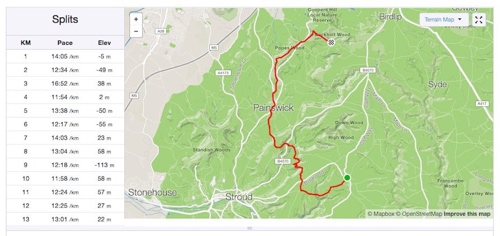
It was the next day that I suffered. This day we again did 10 miles and I was starting with only a slight increase in pain from the previous day. We followed a group until lunch. This consisted of us having to keep stopping whilst they made decisions on the route. They grew in confidence and seemed more competent of their map reading abilities so at lunch time we left the group to navigate their way back to the coach whilst Laurie and I walked ahead to grab a lunch. Due to going the same way as several of our teams we had to get ahead. This meant increasing my speed. By the evening my pain had increased to 8/9.

Whilst the weekend in the Cotswolds didn’t require me to walk large distances and would have been within my safe limits I really struggled. The inconsistency of the walking, the stop start and quick increase in speed had made my body cry out for rest. I failed to notice the warning signs which means I am still suffering with high pain in my spine and fatigued a week later………five years on I’m still learning, but on the most part I am managing to limit my pain and increase my excercise.


 Walking to health; the challenge